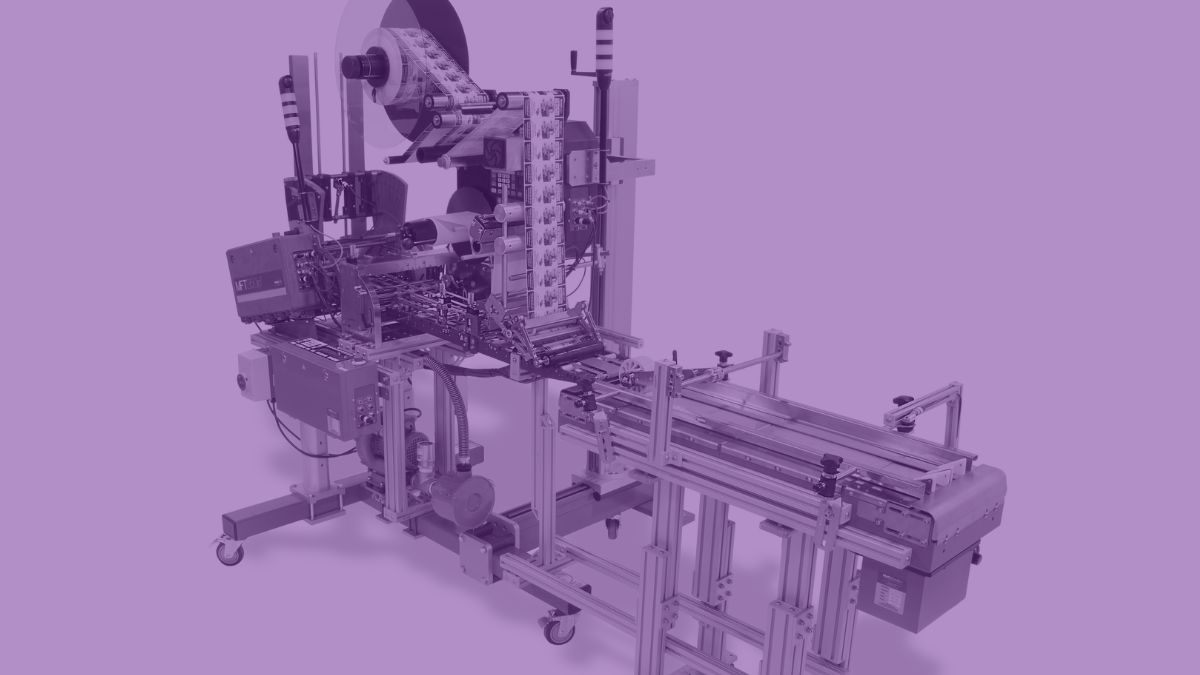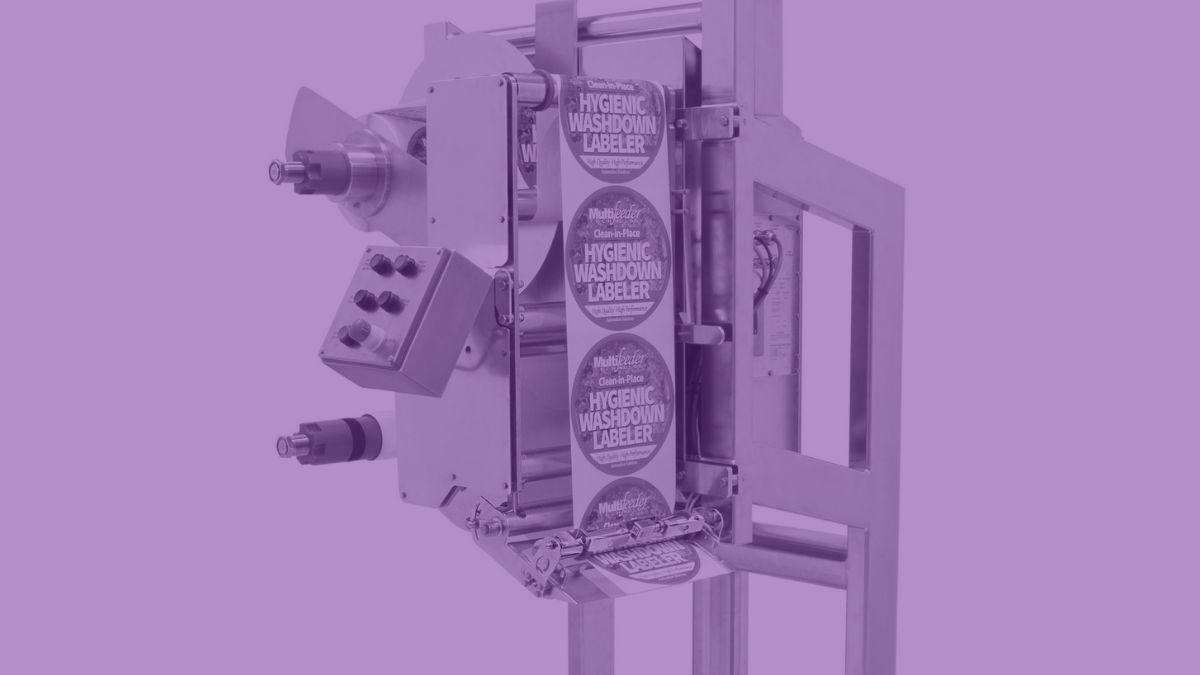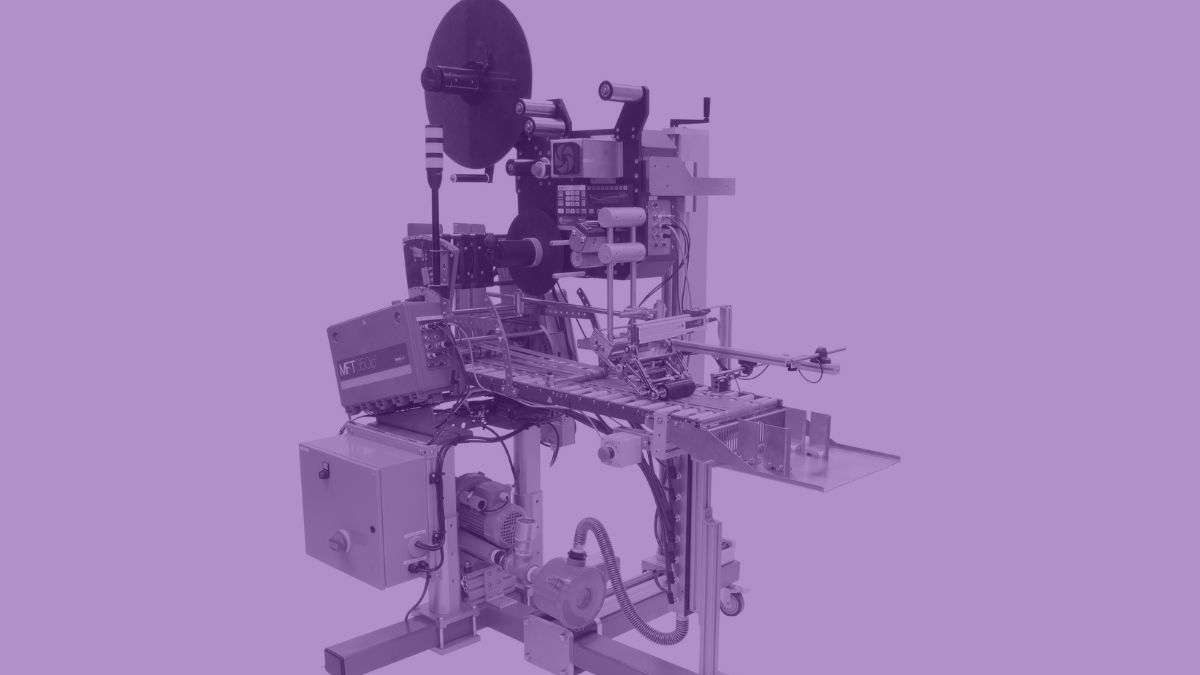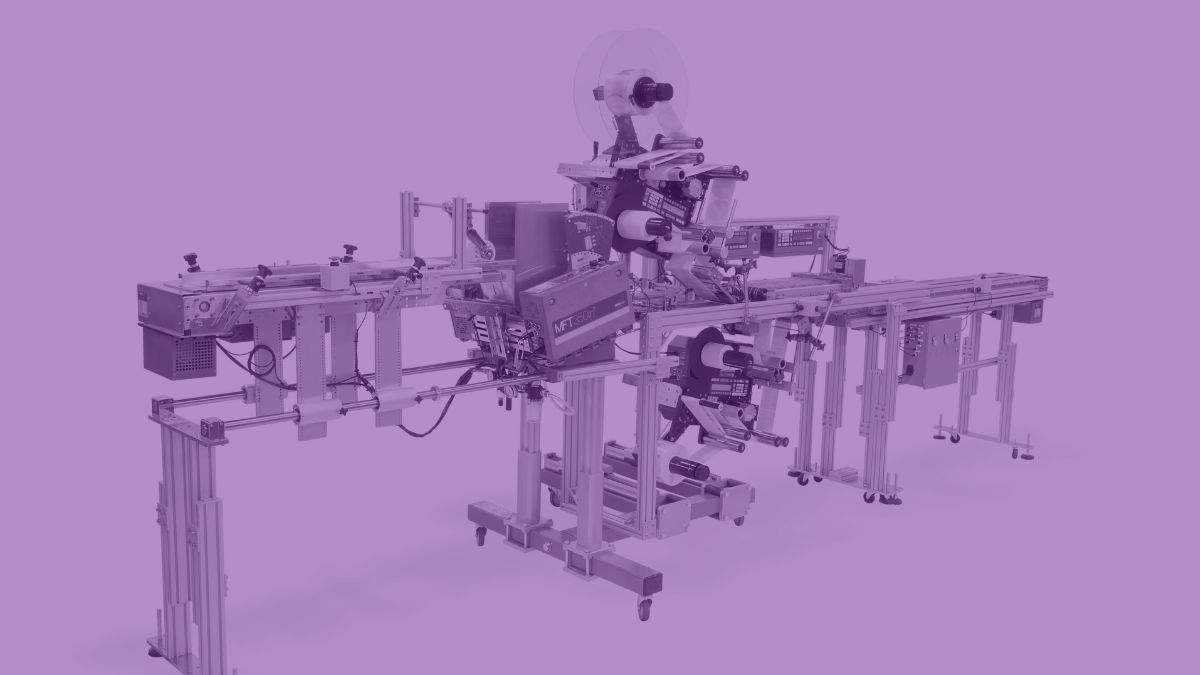
Labeling Automation That Scales: From Automatic Label Machines to Print and Apply Systems

by MFT Automation

Labeling is often treated as the final step in packaging, when in reality, it is one of the highest-risk points on your line. A single misapplied, missing, or unreadable barcode label can stop production, trigger rework, or create compliance exposure.

That is why automated labeling systems are no longer optional upgrades–they are a critical process tied directly to traceability, uptime, and regulatory confidence.

As product variation increases and data requirements expand, manual and semi-automatic processes struggle to keep up. Scalable labeling automation gives you control, consistency, and the ability to adapt without slowing down.

Key Takeaways

  • Automated labeling systems are critical for compliance, traceability, and uptime
  • Print and apply label applicator systems enable real-time data accuracy
  • Verification and redundancy protect against errors and downtime
  • Integrated systems improve performance across the entire production line

This guide breaks down how modern labeling automation works, when to move beyond manual setups, and how integrated systems protect your operation from avoidable risk.

The Growing Complexity of Labeling Requirements

Labeling is no longer just about applying a sticker. It now carries critical product, regulatory, and traceability data.

More Data, More Responsibility

Across industries, labels must now include a variety of human-readable and machine-readable data including:

  • Serialized codes
  • Lot and batch information
  • Expiration dates
  • Regulatory symbols and warnings

Each element must be accurate and verifiable. Mistakes are more than cosmetic; they create operational risk.

Industry-Specific Demands

Different industries add their own layers of complexity:

  • Pharmaceutical and medical packaging require strict compliance and traceability
  • Food packaging demands clear labeling and often washdown-ready equipment
  • Print and packaging environments require high-speed precision and flexibility
  • Cannabis distribution requires accuracy and full product traceability

Labeling automation must be adaptable enough to meet these shifting requirements without constant reconfiguration.

Shorter Runs, More Changeovers

You are likely managing more SKUs than ever before. Smaller batch sizes and frequent changeovers increase the chance of human error.

Automated labeling systems reduce that risk by standardizing setup, maintaining repeatability, and supporting quick transitions between products.

Automated Labeling Systems vs. Manual and Semi-Automatic Setups

Not all labeling approaches deliver the same level of control. Manual and semi-automatic processes may work at low volumes, but they introduce variability.

Common challenges include:

  • Inconsistent label placement
  • Higher labor dependency
  • Increased error rates
  • Slower throughput
  • Limited scalability

As production demands increase, these limitations become bottlenecks.

What Defines Automated Labeling Systems

Automated labeling systems are designed to deliver consistent, repeatable performance at scale. They integrate directly into your production line and operate as part of a larger workflow.

A modern system typically includes:

  • An automatic label machine or industrial labelers
  • Product handling and spacing control
  • Integrated sensors and controls
  • Verification or inspection systems

The goal is simple: apply the right label, in the right place, at the right pace—every time.

When to Upgrade

If you are experiencing any of the following, it is time to consider automating your labeling process:

  • Frequent rework due to labeling errors
  • Line stoppages caused by misapplied labels
  • Difficulty meeting compliance requirements
  • Labor constraints or rising labor costs
  • Increased SKU complexity

Automation replaces variability with a higher level of control.

Print and Apply Labeling Systems for Variable Data

Some labeling applications require customized printing and real-time data.

What Is a Print and Apply Label Applicator?

A print and apply label applicator prints variable information and applies the label in a single, continuous process. This is essential for applications that require unique identifiers or frequently changing data.

Why Print and Apply Matters

Print and apply labeling systems support:

  • Serialization and unique product identification
  • On-demand data printing
  • Reduced inventory of pre-printed labels
  • Faster response to product or regulatory changes

These systems are especially valuable in regulated industries where data accuracy is critical.

Supporting Compliance and Traceability

When integrated with upstream systems, print and apply technology ensures that each label reflects the correct, real-time data.

This reduces the risk of mismatched labels and products, outdated information, and manual data entry errors. It also supports complete traceability across your operation.

Redundancy, Verification, and Inspection as Uptime Protectors

In high-stakes environments, inspection is just as important as application.

Built-In Verification Systems

Verification systems confirm that labels are applied correctly and contain accurate data. These systems can:

  • Check barcode readability
  • Verify printed data
  • Detect missing or skewed labels
  • Trigger automatic rejection when needed

This ensures that errors are caught before products ever leave the line.

Redundancy Reduces Risk

Redundancy adds a safety layer to your labeling automation. Examples include:

If one component fails, the system continues to protect product integrity.

Protecting Uptime

Labeling issues are a common cause of line stoppages. By combining automation with verification and redundancy, you reduce unplanned downtime.

Fewer stoppages mean more predictable production schedules, higher overall efficiency, and lower operational costs.

Integrating Labeling with Track & Trace and Serialization

Labeling does not operate in isolation. It is a critical part of your larger data ecosystem.

Connecting Physical and Digital Systems

Integrated labeling automation connects physical product movement with digital records. Through systems like Track & Trace, automated labeling enables end-to-end product visibility and detailed record keeping. 

Supporting Serialization Workflows

In serialization, each product receives a unique identification code as part of the automated labeling process. This process requires tight integration to capture real-time product data and store it in an easily accessible database for compliance, audit, and recall purposes.

System-Level Thinking

Treating labeling as a standalone machine creates gaps. Treating it as part of an integrated system closes them. When labeling automation is designed as part of a complete system, it aligns with upstream and downstream processes, improving security, speed, and efficiency.

Designing Labeling Automation for Scalability

Your labeling needs will not stay static. Your system should not either.

Modular System Design

Adaptable labeling automation allows you to expand or adjust your system without needing to rebuild or replace segments that are working.

You can:

  • Add new labeling heads
  • Integrate extra verification systems
  • Support new product formats
  • Upgrade software with minimal downtime. 

The right automation partner will help you consider your long term goals and options so your investment is well-protected.

Supporting High-Mix Environments

As SKU counts grow, production lines must handle frequent changeovers without sacrificing accuracy. MFT Automation’s labeling systems are engineered with operators in mind offering customizable controls, easy access for adjustments, and dozens of ways to perfectly tailor your machine. This means production can keep moving even when complexity increases.

Future-Proofing Compliance

Regulations are constantly shifting as consumer needs and industry requirements expand. Scalable systems make it easy to adapt without starting over. A well-designed labeling automation system will help you stay ahead of these changes.

ROI for Operations: Reduced Risk, Rework, and Downtime

Automation decisions must deliver measurable outcomes. We know MFT’s automated labeling systems:

  • Reduce Risk: Accurate labeling and built-in verification reduce compliance exposure and product recalls.
  • Reduce Rework: Consistent performance eliminates the need to re-label products or correct errors after the fact.
  • Improve Uptime: Reliable systems reduce stoppages and keep your line running at planned speeds.
  • Better Allocate Resources: Automation reduces dependence on manual labor, allowing your team to focus on higher-value tasks.

Why Labeling Automation Is a System, Not a Step

Labeling touches every part of your operation. It affects compliance, traceability, and production efficiency.

When treated as a standalone step, it becomes a point of failure. When designed as part of an integrated system, it becomes a point of control.

This shift in thinking is what separates reactive operations from scalable ones.

What’s Next for Your Automated Labeling Process?

Automated labeling systems do more than apply labels. They protect your operation from risk, ensure data accuracy, and support long-term scalability.

As labeling requirements continue to grow, integrated, reliable automation becomes increasingly valuable. Systems that combine labeling automation, verification, and Track & Trace capabilities increase operational safety and give you the control needed for consistency and efficiency.

If your current labeling process is causing rework, downtime, or compliance concerns, it’s time to rethink your approach. Give us a call to explore how partnering with MFT Automation can expand your production capacity with a scalable, customized labeling system.

From Integration to Optimization: What a Long-Term Automation Partner Really Looks Like

by MFT Automation

Installation day is exciting. The equipment arrives, the technicians get everything running, and suddenly your packaging line is doing things that used to require three operators and constant oversight. 

But here’s what separates a successful automation investment from an expensive mistake: 

  • What happens six months later when production demands change?
  • What about a year later when you need to add a new SKU?
  • Or three years down the road when regulatory requirements shift?

Automation success doesn’t end at installation.

The companies getting the most value from their integrated automation systems aren’t just buying machines—they’re building relationships with partners who understand that production challenges evolve, systems need optimization, and the difference between uptime and downtime often comes down to who picks up the phone when you call.

Automation Success Starts Long Before Installation

Automation projects often start with a problem, which a good partner will help you approach from every angle. They’ll identify upstream processes that will affect a new install and recognize bottlenecks that need to be considered through a new lens. A true collaborator will help you develop a project from square one, and support you in making smart and proactive decisions throughout the process. 

The best automation partners will guide you through the entire lifecycle, not just the technical bits:

  • Analysis, discovery, and optimization
  • Choosing and future-proofing the right technology
  • Engineering, architecture, and building
  • Testing and quality assurance
  • Installation, training, and change management
  • Long-term support and evolution

Automation is a huge investment and who you work with can make or break both the experience and your ROI. The right partner will guide solution development so that every small but critical detail is considered. 

Automation Success Extends Far Beyond Installation

Every production line goes through phases. The initial installation gets equipment running and operators trained, but the real performance story unfolds over time.

  • Product mix changes
  • Throughput requirements increase
  • New compliance standards emerge
  • Materials from suppliers shift slightly, affecting how products feed or how labels adhere

A transactional equipment vendor delivers a machine, provides basic training, and moves on to the next sale. When issues arise or optimization opportunities appear, you’re on your own. This approach might work for simple standalone equipment, but it falls apart when you’re running custom automation systems designed to fully integrate with your production line.

A true automation partner stays engaged. They track how systems perform in real-world conditions, help troubleshoot challenges before they become costly problems, and work with your team to fine-tune processes as production needs evolve. This ongoing relationship protects your investment and ensures your automation continues delivering value year after year.

Integration Challenges Across Existing Production Lines

Integrating new automation into an existing production environment is more complex than installing a standalone machine. Your new friction feeder needs to communicate with upstream conveyors. Your labeling automation must sync with downstream inspection systems. 

Timing, product flow, and data exchange all need to work seamlessly across equipment from different manufacturers, often spanning different technology generations. These integration challenges rarely show up in factory acceptance tests. 

They emerge when systems run at full production speed with real products, real operators, and real-world variables. A long-term partner understands this. They don’t just configure equipment to work in isolation—they engineer solutions that fit into your complete production workflow.

MFT Automation approaches every project with this systems-thinking mindset. Whether you’re adding a hygienic friction feeder to an existing food packaging line or integrating print and apply labeling systems into a pharmaceutical serialization workflow, we work alongside your team to ensure every component communicates effectively and performs reliably within your broader production ecosystem.

Automation Support, Parts, Upgrades, and Optimization

Production doesn’t stop because a part fails or a software update is needed. This is where ongoing support becomes critical. A true automation partner maintains stock of replacement parts, understands your specific equipment configuration, and can diagnose issues remotely when time matters most.

But proactive optimization goes above and beyond just fixing what breaks, identifying opportunities to:

  • improve cycle times
  • reduce changeover duration
  • enhance product handling based on real-time production analysis

A strong automation partner employs engineers who know your equipment inside and out and can recommend upgrades that extend system life or add new capabilities without requiring complete line replacement.

MFT’s approach includes comprehensive support across the equipment lifecycle. Our engineering team stays familiar with customer installations, our parts inventory ensures critical components ship quickly, and our service technicians understand both the mechanical and integration aspects of your packaging automation solutions. When you call, you’re talking to people who know your system and your production challenges.

Modular System Upgrades vs. Full Line Replacements

Market demands change, and your automation needs to keep pace. The question is whether adapting to change requires replacing entire systems or simply upgrading specific modules. This is where modular system design delivers long-term value.

Well-engineered automation system integration allows targeted improvements without disrupting your entire production line. 

  • Need faster throughput? Upgrade the feeder servo controls. 
  • Adding a new product size? Swap in a different label applicator head. 
  • Implementing serialization? Integrate track and trace components into your existing line architecture.

Modular upgrades minimize downtime, reduce capital expense, and let you evolve production capabilities as business needs change. At MFT Automation, we design industrial automation solutions with this modularity in mind from the start. Our friction feeders, labelers, and integrated systems use standardized interfaces and flexible configurations that support both current production requirements and future expansion.

How MFT Works Alongside Customers as Production Evolves

Long-term partnerships are built on communication, responsiveness, and shared goals. When production challenges arise or opportunities for improvement appear, the right partner is already familiar with your operation and invested in your success.

MFT Automation maintains relationships with customers long after installation. We track equipment performance, provide training as your team grows, and stay available when you need technical guidance or troubleshooting support. Our engineering team works with customers to optimize existing systems, retrofit new capabilities, and adapt automation to changing production requirements.

This ongoing collaboration has helped customers across pharmaceutical, food, printing, and cannabis packaging operations improve line efficiency, meet new regulatory standards, and scale production without major reinvestment. 

The difference comes down to partnership—working together to solve real production challenges rather than simply selling equipment and moving on.

Automation as a Strategic Investment, Not a One-Off Purchase

The value of automation compounds over time when systems are properly maintained, optimized, and upgraded. What starts as a solution to a specific bottleneck becomes a flexible production platform that adapts to new products, new regulations, and new market demands.

Viewing automation as a strategic investment changes how you evaluate vendors. Initial equipment cost matters, but total cost of ownership (including support, parts availability, upgrade paths, and long-term reliability) will determine real value. A partner who stays engaged protects that investment and helps you extract maximum value from every automation dollar spent.

At MFT Automation, we’ve spent decades engineering packaging automation solutions that deliver reliable performance across demanding production environments. But equipment is only part of the equation. The real difference comes from how we work with customers throughout the equipment lifecycle—from initial system design through installation, optimization, and ongoing support.

Your production challenges don’t stay the same. Your automation partner should support your evolving needs as business changes. Whether you’re exploring your first automation system or optimizing an existing integrated line, the right partnership makes all the difference.

Ready to Connect with a Premier Automation Partner?

If you’re evaluating custom automation systems for pharmaceutical, food, printing, or cannabis packaging operations, let’s talk. Our team is ready to discuss your production challenges and explore how integrated automation can provide value today and adapt to your future needs.

Contact MFT Automation to start a conversation with our engineering team.

Automation Scalability: Creating Your Perfect Automation System

by MFT Automation

In today’s rapidly changing manufacturing environment, businesses demand efficiency, flexibility, and growth-ready solutions, all while keeping the quality of your product. The challenge? Finding automation systems that not only meet your current needs but also evolve alongside your business. At MFT Automation, we specialize in designing custom automation packaging systems that scale—so you’re always on the cutting edge of your industry. Read more

Keeping Things Moving: Upgrade Your Automation System with Conveyors

by Shane

One of the most significant advantages of automating, or even partially automating a process, is the time saved by allowing workers to focus on more than one task or eliminating the need for human workers altogether. An uninterrupted process is a significant factor in successful production. From simple to complex automation systems, conveyors keep things moving within the system and in some cases even extend the system’s capacity and runtimes. A conveyor can be a silent hero of a system but the wrong conveyor can be an obtrusive nuisance that needs constant attention and upkeep.

It could be time to upgrade or replace your conveyor if:

  • It requires more maintenance than normal
  • Certain sections of the system consistently have problems
  • Products are coming out of the system damaged
  • You’ve changed your products or capacity needs

Vacuum Track Conveyor with labeler

Choosing the Right Conveyor

A company’s product shapes the automation system; everything from the size, shape, texture, fragility, and more needs to be factored into the creation of an automation system. In the end, delivering a high-quality product to customers is the top priority for any company. The automation system should be built to fit the application, not the other way around.

There are many things to consider when buying a new conveyor or replacing an existing one:

  • What is your product?
  • What are your size requirements?
  • What is your application?
  • What is your budget?

There are multiple types of conveyors available to fit your specific application and system. Finding the right one can be the difference between a smooth process and a lifetime of troubleshooting and maintenance. While it’s best to be informed about the different types of conveyors, our automation experts can help you choose the best conveyor for your application.

Bottles on conveyor

Types of Conveyors

Vacuum Track Conveyor

The Vacuum Track Conveyor (VTC)  is a standard option. Using suction force, the VTC controls products as they move down the conveyor. Even irregularly shaped products are easy to control when they are spread out flat on a horizontal surface. Vacuum track conveyors have multiple configurations to fit different applications. The open surface and linear mounting bars provide quick mounting and access for optional components, such as inkjet or laser coders, scanners, vision systems, and more.

High-speed tipping is the ideal application to use the vacuum track conveyor. Tipping is a common automation term describing when you take two products and join them together with one product (tipping product) on top of another product (base product). Glue or other kinds of adhesive are used to keep the two products together. Tipping requires an open surface for access to the base product and mounting the friction feeder over the top to dispense the tipping product. The vacuum track conveyor offers precise control of the base product that is needed for accurate tipping.

Shingling Conveyor

The Shingling Conveyor accumulates batches of products for convenient operator removal. Usually found at the end of a system, the processed products on the Shingling Conveyor do not need immediate attention, adding capacity to the system and extending the run times. The shingling conveyor moves at a slower rate than the rest of the system, causing the products to shingle and stack up on the conveyor.

Batching flat products, such as booklets, brochures, and or even filled pouches, is a common application for the shingling conveyor. These batches can be queued up for removal or to be transported to the next step of the system. The spacing of the shingled products can be easily adjusted by changing the speed of the conveyor.

High-Speed Collator

The High-Speed Collator (HSC) is an open-face conveyor that utilizes lugs to handle firmly, control, and transport products down a conveyor. Products automatically transfer onto a belted takeaway and the lugs can be spaced and timed to match a downstream transport. The HSC has an open surface, making it ideal for mounting components, such as barcode scanners and vision systems, over the conveyor.

The lugs of the HSC lend themselves incredibly well to the application of stacking and batching. The High-Speed Collator System uses friction feeders to feed different types of product into a drop table to form a stack that is dropped onto the conveyor. The lugs move the stack to the next friction feeder for the Drop Table to add to the stack. The collation of papers is moved to the next step of the system with the lugs keeping the stack square.

Automatic Product Loader (APL)

The Automatic Product Loader (APL) is a special conveyor that extends a friction feeder’s production capacity and, in turn, the system’s run times. Designed specifically for MFT Friction Feeders and their automation systems, products are spread horizontally over the APL’s surface instead of stacked vertically in the feeder. This method of loading the product is perfect for irregularly shaped products and increases the capacity of the friction feeder.

Irregularly shaped products have problems stacking vertically in the friction feeder. The APL is ideal for these irregularly shaped products. For example, plastic bags with a zipper do not stack well vertically. The zipper makes the stack uneven, which leads to jams and skewed products coming through the friction feeder. The APL has the product spread horizontally on the conveyor that feeds into the friction feeder eliminating the need for a stack. Even standard products benefit from an APL as they can easily be loaded onto the APL to expand the friction feeder’s capacity and seamlessly extend the run times of the system.

Integrating and Installing Conveyors

Integrating and installing conveyors is the easiest part of the process. Especially if you have experienced and knowledgeable workers helping you! MFT Automation is a one-stop shop for conveyors and automation systems. We work with customers from the first design plans to integration and installation. We have a dedicated team of mechanical engineers and technicians that integrate, test, and fine-tune your systems before installation. We offer on-site installation and training so that everyone is on the same page regarding the automation system. After installation, we have a dedicated aftermarket support team that provides technical phone support, and field service support for troubleshooting, repairs, and more.

IMG_8342-1

MFT Automation

MFT Automation has been helping customers design, build, and integrate high-performance automation solutions for over 25 years. MFT Automation’s equipment, systems, and services are known for their flexibility, accuracy, and performance. Our success is made possible by our engineering-oriented and customer-driven approach to finding the best possible automation solution for customers’ applications. With an abundance of in-house resources including Mechanical Engineering, Electrical Engineering, Software Engineering, and a machine shop with modern CNC and lathe machine tools, we work with customers from the first solution draft to installation and integration. Contact us with your latest automation challenge, online or call us at 1-651-427-1264.

Tags: System ComponentsAutomationTips and Tricks

How to Automate Your Pouch Packaging Process

by Shane

In many industries, heat-sealed pouches have become an efficient and cost-effective way to send product samples, and sometimes even products themselves to customers. Heat-sealed packets are highly versatile as they can be made with many different materials and come in many different sizes. Because of their versatility, they are used in many industries for many different kinds of products. And a new demand for custom samples and products has risen in consumers that make re-sealable and disposable pouches as a good way to fulfill lot size one orders for small items. The small and portable pouches are also perfect for the current grab n’ go culture. Anything from snacks to beauty creams to medicine, the pouches can hold a little bit of everything and fit easily inside bags. Looking to start using heat-sealed sample packets or looking to automate your pouch packaging process? From verifying barcodes to labeling pouches, there are many opportunities for automation. Here’s our guide on automating your pouch packaging process.