Labeling is often treated as the final step in packaging, when in reality, it is one of the highest-risk points on your line. A single misapplied, missing, or unreadable barcode label can stop production, trigger rework, or create compliance exposure.
That is why automated labeling systems are no longer optional upgrades–they are a critical process tied directly to traceability, uptime, and regulatory confidence.
As product variation increases and data requirements expand, manual and semi-automatic processes struggle to keep up. Scalable labeling automation gives you control, consistency, and the ability to adapt without slowing down.
Key Takeaways
- Automated labeling systems are critical for compliance, traceability, and uptime
- Print and apply label applicator systems enable real-time data accuracy
- Verification and redundancy protect against errors and downtime
- Integrated systems improve performance across the entire production line
This guide breaks down how modern labeling automation works, when to move beyond manual setups, and how integrated systems protect your operation from avoidable risk.
The Growing Complexity of Labeling Requirements
Labeling is no longer just about applying a sticker. It now carries critical product, regulatory, and traceability data.
More Data, More Responsibility
Across industries, labels must now include a variety of human-readable and machine-readable data including:
- Serialized codes
- Lot and batch information
- Expiration dates
- Regulatory symbols and warnings
Each element must be accurate and verifiable. Mistakes are more than cosmetic; they create operational risk.
Industry-Specific Demands
Different industries add their own layers of complexity:
- Pharmaceutical and medical packaging require strict compliance and traceability
- Food packaging demands clear labeling and often washdown-ready equipment
- Print and packaging environments require high-speed precision and flexibility
- Cannabis distribution requires accuracy and full product traceability
Labeling automation must be adaptable enough to meet these shifting requirements without constant reconfiguration.
Shorter Runs, More Changeovers
You are likely managing more SKUs than ever before. Smaller batch sizes and frequent changeovers increase the chance of human error.
Automated labeling systems reduce that risk by standardizing setup, maintaining repeatability, and supporting quick transitions between products.
Automated Labeling Systems vs. Manual and Semi-Automatic Setups
Not all labeling approaches deliver the same level of control. Manual and semi-automatic processes may work at low volumes, but they introduce variability.
Common challenges include:
- Inconsistent label placement
- Higher labor dependency
- Increased error rates
- Slower throughput
- Limited scalability
As production demands increase, these limitations become bottlenecks.
What Defines Automated Labeling Systems
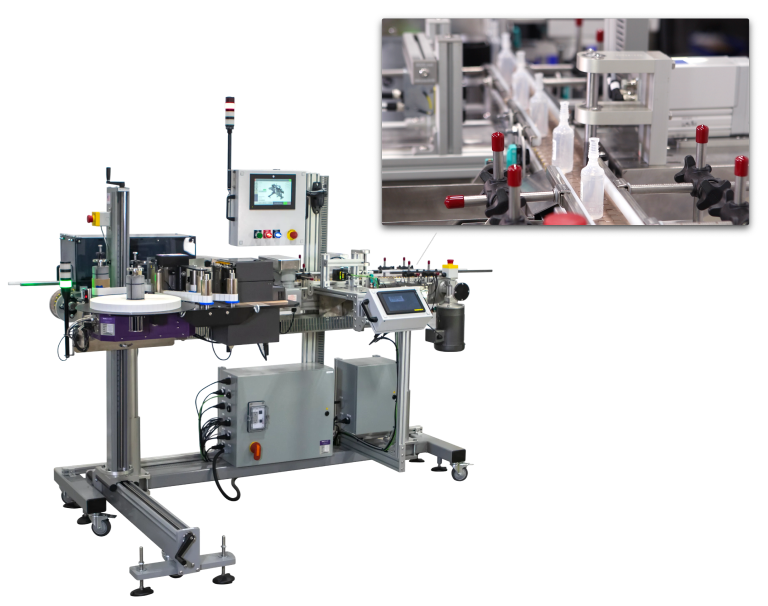
Automated labeling systems are designed to deliver consistent, repeatable performance at scale. They integrate directly into your production line and operate as part of a larger workflow.
A modern system typically includes:
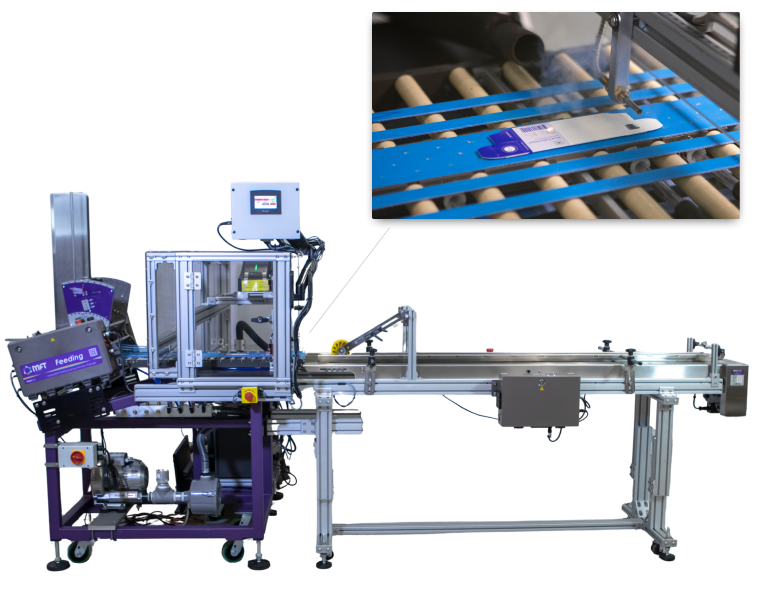
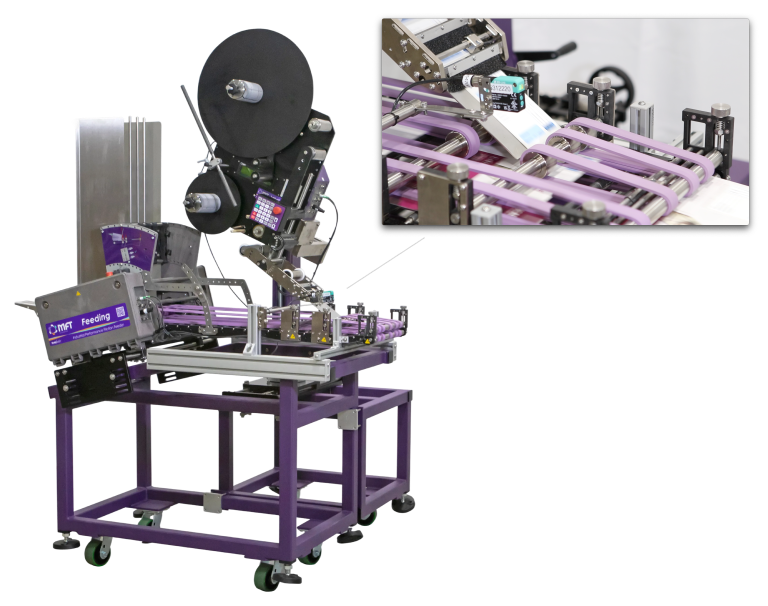
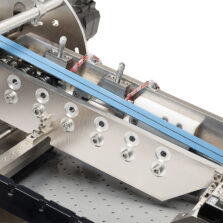
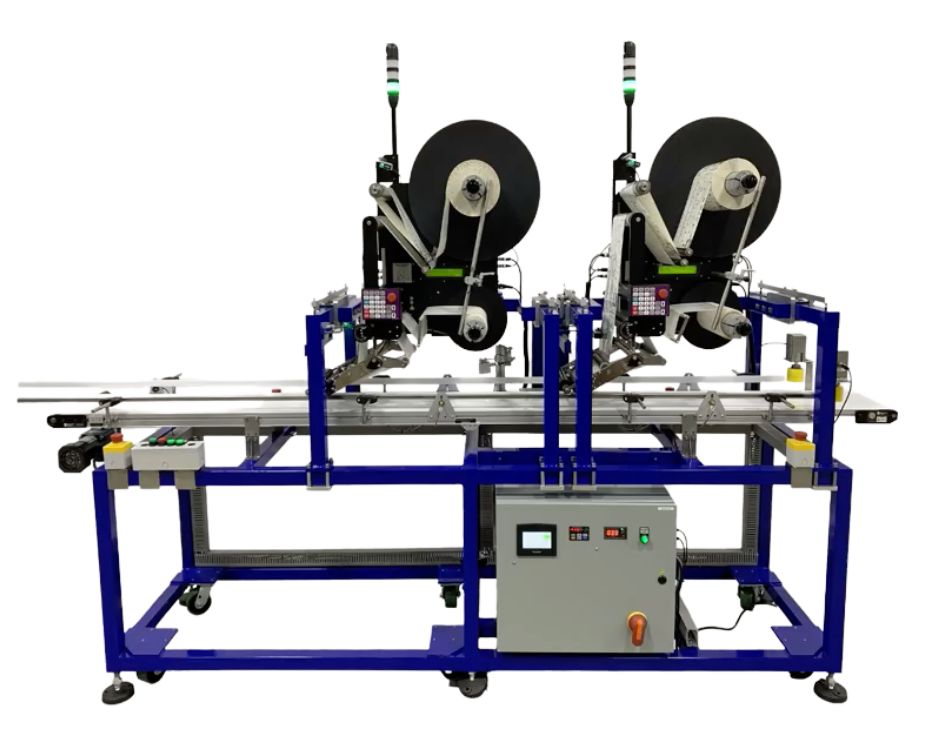
- An automatic label machine or industrial labelers
- Product handling and spacing control
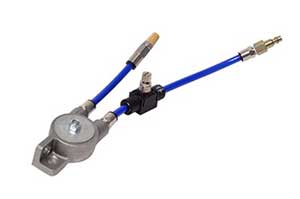
- Integrated sensors and controls
- Verification or inspection systems
The goal is simple: apply the right label, in the right place, at the right pace—every time.
When to Upgrade
If you are experiencing any of the following, it is time to consider automating your labeling process:
- Frequent rework due to labeling errors
- Line stoppages caused by misapplied labels
- Difficulty meeting compliance requirements
- Labor constraints or rising labor costs
- Increased SKU complexity
Automation replaces variability with a higher level of control.
Print and Apply Labeling Systems for Variable Data
Some labeling applications require customized printing and real-time data.
What Is a Print and Apply Label Applicator?
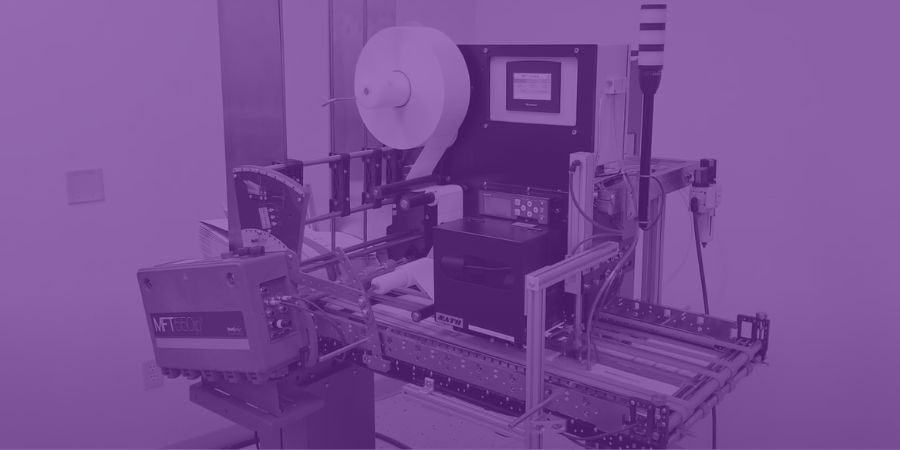
A print and apply label applicator prints variable information and applies the label in a single, continuous process. This is essential for applications that require unique identifiers or frequently changing data.
Why Print and Apply Matters
Print and apply labeling systems support:
- Serialization and unique product identification
- On-demand data printing
- Reduced inventory of pre-printed labels
- Faster response to product or regulatory changes
These systems are especially valuable in regulated industries where data accuracy is critical.
Supporting Compliance and Traceability
When integrated with upstream systems, print and apply technology ensures that each label reflects the correct, real-time data.
This reduces the risk of mismatched labels and products, outdated information, and manual data entry errors. It also supports complete traceability across your operation.
Redundancy, Verification, and Inspection as Uptime Protectors
In high-stakes environments, inspection is just as important as application.
Built-In Verification Systems
Verification systems confirm that labels are applied correctly and contain accurate data. These systems can:
- Check barcode readability
- Verify printed data
- Detect missing or skewed labels
- Trigger automatic rejection when needed
This ensures that errors are caught before products ever leave the line.
Redundancy Reduces Risk
Redundancy adds a safety layer to your labeling automation. Examples include:
- Multiple inspection points
- Backup sensors or cameras
- Automated reject systems
- Real-time alerts and logging
If one component fails, the system continues to protect product integrity.
Protecting Uptime
Labeling issues are a common cause of line stoppages. By combining automation with verification and redundancy, you reduce unplanned downtime.
Fewer stoppages mean more predictable production schedules, higher overall efficiency, and lower operational costs.
Integrating Labeling with Track & Trace and Serialization
Labeling does not operate in isolation. It is a critical part of your larger data ecosystem.
Connecting Physical and Digital Systems
Integrated labeling automation connects physical product movement with digital records. Through systems like Track & Trace, automated labeling enables end-to-end product visibility and detailed record keeping.
Supporting Serialization Workflows
In serialization, each product receives a unique identification code as part of the automated labeling process. This process requires tight integration to capture real-time product data and store it in an easily accessible database for compliance, audit, and recall purposes.
System-Level Thinking
Treating labeling as a standalone machine creates gaps. Treating it as part of an integrated system closes them. When labeling automation is designed as part of a complete system, it aligns with upstream and downstream processes, improving security, speed, and efficiency.
Designing Labeling Automation for Scalability
Your labeling needs will not stay static. Your system should not either.
Modular System Design
Adaptable labeling automation allows you to expand or adjust your system without needing to rebuild or replace segments that are working.
You can:
- Add new labeling heads
- Integrate extra verification systems
- Support new product formats
- Upgrade software with minimal downtime.
The right automation partner will help you consider your long term goals and options so your investment is well-protected.
Supporting High-Mix Environments
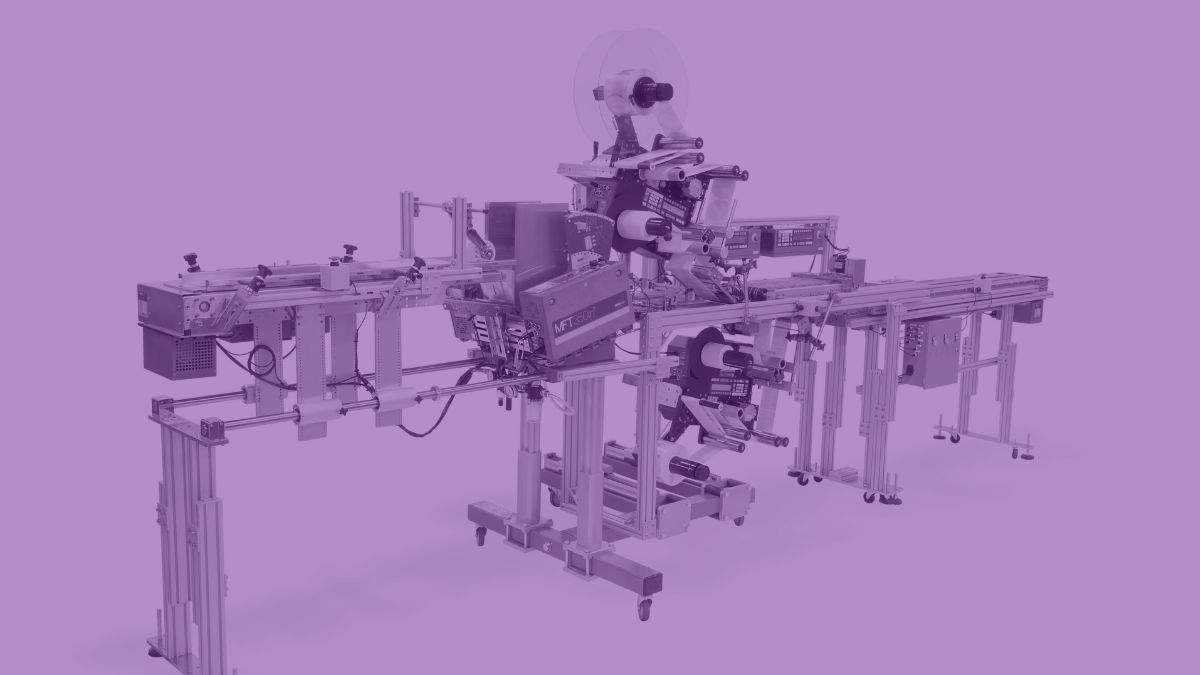
As SKU counts grow, production lines must handle frequent changeovers without sacrificing accuracy. MFT Automation’s labeling systems are engineered with operators in mind offering customizable controls, easy access for adjustments, and dozens of ways to perfectly tailor your machine. This means production can keep moving even when complexity increases.
Future-Proofing Compliance
Regulations are constantly shifting as consumer needs and industry requirements expand. Scalable systems make it easy to adapt without starting over. A well-designed labeling automation system will help you stay ahead of these changes.
ROI for Operations: Reduced Risk, Rework, and Downtime
Automation decisions must deliver measurable outcomes. We know MFT’s automated labeling systems:
- Reduce Risk: Accurate labeling and built-in verification reduce compliance exposure and product recalls.
- Reduce Rework: Consistent performance eliminates the need to re-label products or correct errors after the fact.
- Improve Uptime: Reliable systems reduce stoppages and keep your line running at planned speeds.
- Better Allocate Resources: Automation reduces dependence on manual labor, allowing your team to focus on higher-value tasks.
Why Labeling Automation Is a System, Not a Step
Labeling touches every part of your operation. It affects compliance, traceability, and production efficiency.
When treated as a standalone step, it becomes a point of failure. When designed as part of an integrated system, it becomes a point of control.
This shift in thinking is what separates reactive operations from scalable ones.
What’s Next for Your Automated Labeling Process?
Automated labeling systems do more than apply labels. They protect your operation from risk, ensure data accuracy, and support long-term scalability.
As labeling requirements continue to grow, integrated, reliable automation becomes increasingly valuable. Systems that combine labeling automation, verification, and Track & Trace capabilities increase operational safety and give you the control needed for consistency and efficiency.
If your current labeling process is causing rework, downtime, or compliance concerns, it’s time to rethink your approach. Give us a call to explore how partnering with MFT Automation can expand your production capacity with a scalable, customized labeling system.