Pharmaceutical & Medical Packaging Automation: Precision, Traceability, and Trust

by MFT Automation

In pharmaceutical and medical packaging, there is no margin for error. A single mislabeled vial, unreadable code, or missing data record can trigger recalls, regulatory action, or lost trust. That is why pharmaceutical packaging automation is no longer about speed alone. It is about precision, traceability, and confidence at every step of the line.

Decision-makers in regulated environments face constant pressure. Regulations evolve. Product mix increases. Batch sizes shrink. At the same time, expectations for uptime and documentation keep rising. The right automation partner helps you meet these demands without adding complexity or risk.

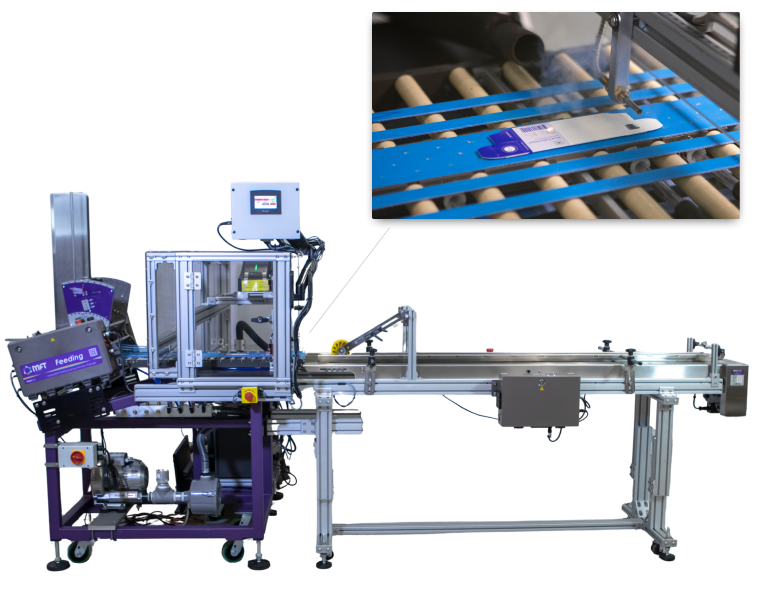
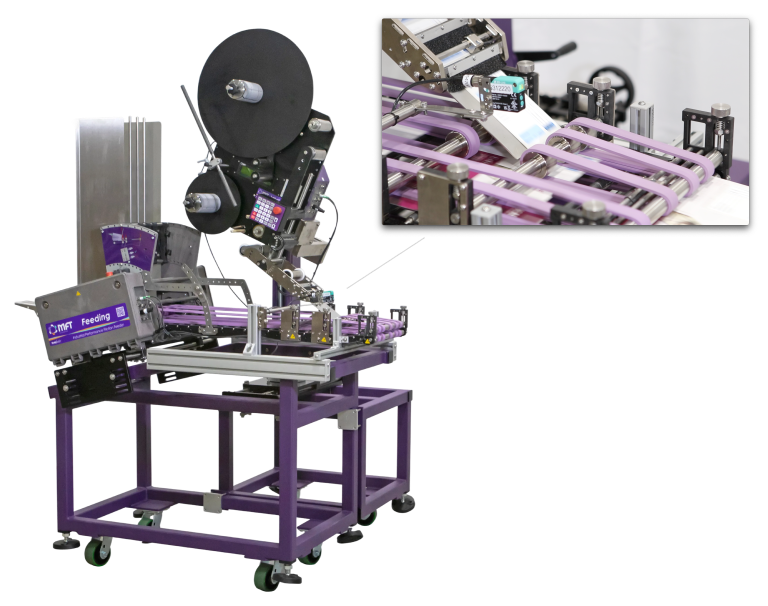
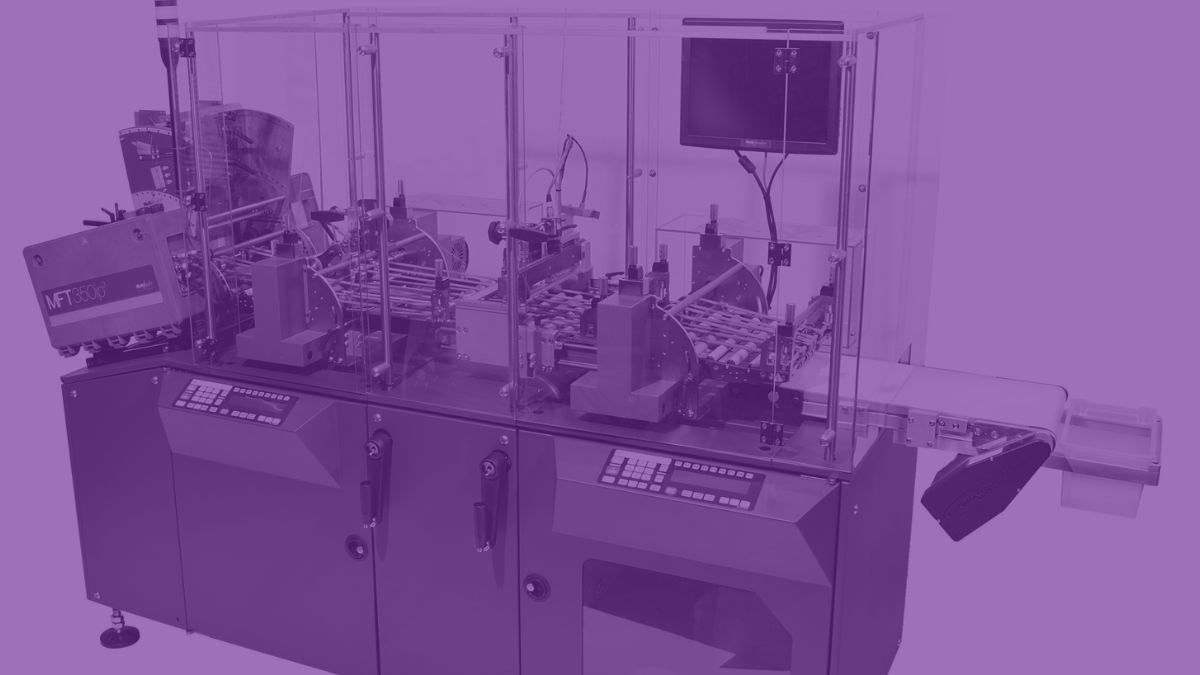
In this article, we’ll explain how modern pharmaceutical and medical packaging automation systems are designed to protect accuracy, maintain compliance, and support long-term operational confidence. You will see how integrated feeders, labelers, vision systems, and Track & Trace technology work together as a single system, rather than as isolated machines.

Unique Requirements of Pharmaceutical and Medical Packaging

Pharmaceutical and medical packaging lines operate under stricter rules than almost any other manufacturing environment. These requirements shape every automation decision.

Regulatory Pressure Is Constant

FDA packaging regulations demand repeatability, documentation, and control. Every label, code, and serialized unit must be verifiable. Automation systems must support:

  • Accurate product identification
  • Clear and consistent labeling
  • Complete data capture and storage
  • Fast root-cause analysis when issues occur

Automation that cannot support validation or audit readiness becomes a liability instead of an asset.

Accuracy Matters More Than Speed

Throughput is important, but accuracy always comes first. Pharmaceutical packaging automation systems must prioritize:

  • Precise product handling
  • Consistent label placement
  • Reliable code quality
  • Error detection before product leaves the line

Speed without control increases risk. Controlled automation reduces it.

Cleanliness and Contamination Control

Medical and pharmaceutical packaging environments often require cleanroom compatibility or hygienic design principles. Equipment must be easy to clean, resistant to corrosion, and designed to minimize contamination points.

Automation systems built for these environments focus on:

  • Smooth, cleanable surfaces
  • Minimal crevices and debris traps
  • Material choices suited for washdown or sanitation protocols

Common Pharmaceutical and Medical Packaging Applications

Automation must adapt to a wide range of packaging formats. Flexibility is critical.

Vials and Syringes

Small, rigid containers demand careful handling and precise labeling. Automation systems must maintain orientation, prevent damage, and ensure readable codes on limited surface areas.

Blister Packs

Blister packaging requires accurate product verification and reliable labeling or coding on often reflective materials. Vision and verification systems play a key role here.

Pill Bottles

High-volume bottle lines benefit from integrated feeder systems, automatic labeler technology, and in-line verification to maintain speed without sacrificing accuracy.

Pouches and Sachets

Flexible packaging introduces challenges in handling and label placement. Integrated print and apply labeling systems help ensure consistent identification on variable surfaces.

Extended Content Labels (ECLs)

ECLs are common in pharmaceutical packaging due to regulatory requirements. Automation must support accurate application, proper folding, and verification to ensure legibility and attachment integrity.

The Role of Integrated Automation Systems

In regulated environments, standalone machines create gaps. Integrated systems close them.

Feeders: Controlled Product Flow

A friction feeder or feeder system ensures consistent product spacing and orientation. This consistency is essential for downstream accuracy.

When feeders are designed as part of a complete system, they:

  • Reduce misfeeds and jams
  • Improve label placement accuracy
  • Protect fragile products
  • Maintain predictable line flow

Automatic Labeler Systems

An automatic labeler must do more than apply labels. In pharmaceutical and medical applications, it must do so with precision and repeatability.

Modern labeling automation supports:

  • Tight placement tolerances
  • Multiple label formats
  • High-speed changeovers
  • Seamless integration with verification systems

Print and Apply Labeling Systems

Print and apply labeling systems play a critical role in serialization and traceability. These systems allow variable data, barcodes, and human-readable information to be printed and applied in real time.

Key benefits include:

  • Reduced labeling errors
  • Real-time data integration
  • Support for unique identifiers
  • Flexibility for short runs and frequent changes

Vision and Verification Systems

Vision systems act as a final gatekeeper. They confirm that the right label is on the right product, with the right data.

Verification systems can:

  • Confirm barcode readability
  • Validate serialized data
  • Detect missing or misapplied labels
  • Trigger automatic rejection when errors occur

Serialization, Verification, and Risk Mitigation

Serialization is not optional in pharmaceutical packaging automation. It is a core requirement.

Why Serialization Matters

Serialization assigns a unique identifier to each product unit. This supports:

  • Anti-counterfeiting efforts
  • Product traceability
  • Recall management
  • Regulatory compliance

Without reliable serialization, tracking product movement becomes difficult and risky.

Redundancy as a Safety Net

Redundancy reduces the impact of failures. In regulated environments, redundancy is a design choice that protects uptime and compliance.

Examples include:

  • Multiple verification points
  • Backup data capture systems
  • Automated reject mechanisms
  • System alerts and logging

These features ensure that a single failure does not compromise the entire line.

Track & Trace Integration

Track & Trace systems connect physical packaging actions with digital records. Integrated automation systems allow serialization data to flow seamlessly from printer to verifier to database.

This integration supports:

  • Faster audits
  • Accurate reporting
  • Easier investigations
  • Long-term data integrity

Designing for Clean Environments and Validation Readiness

Pharmaceutical and medical packaging automation must be built with validation in mind from day one.

Validation-Friendly Design

Validation-ready systems simplify internal, operational, and performance qualification processes. Clear documentation, standardized components, and predictable system behavior reduce validation time.

Well-designed systems:

  • Use proven, repeatable configurations
  • Provide clear documentation and change records
  • Support controlled updates and upgrades

Hygienic and Washdown Design

For applications requiring sanitation, equipment design matters. Washdown conveyors, hygienic equipment, and corrosion-resistant materials help maintain cleanliness without excessive downtime.

Design considerations include:

  • Open-frame construction
  • Stainless steel components
  • Sealed electronics where required
  • Easy access for cleaning

ROI Value: Why Systems Matter

Automation decisions are business decisions. Integrated pharmaceutical packaging automation systems deliver measurable value.

Reduced Recall Risk

Accurate labeling, verification, and serialization reduce the likelihood of costly recalls. When issues do arise, Track & Trace systems help identify affected units quickly.

Compliance Confidence

Systems designed for FDA packaging regulations support audit readiness and regulatory confidence. Documentation and data integrity become built-in features, not afterthoughts.

Improved Uptime

Integrated systems reduce stoppages caused by misfeeds, mislabels, or data errors. Fewer interruptions mean more predictable production schedules.

Scalability for Future Needs

Modular automation systems allow lines to evolve. New products, new regulations, and new data requirements can be addressed without full system replacement.

Why Partnership Matters in Regulated Automation

In pharmaceutical and medical environments, automation is not a one-time purchase. It is a long-term relationship.

A trusted partner:

  • Educates and advises through expertise and collaboration
  • Supports system integration and optimization
  • Helps adapt systems to new regulations
  • Provides parts and service over time
  • Stays engaged beyond installation

This partnership approach protects your investment and your compliance posture.

Key Takeaways

  • Pharmaceutical packaging automation prioritizes accuracy, traceability, and control.
  • Integrated systems reduce risk compared to standalone machines.
  • Feeders, automatic labeler systems, vision, and Track & Trace work best as one cohesive system.
  • Serialization and redundancy protect compliance and uptime.
  • Validation-ready, hygienic design supports regulated environments.

Ready to explore compliance-ready automation?

Pharmaceutical packaging automation is about trust. Trust in your data. Trust in your labels. Trust in your systems under pressure.

By designing integrated, modular systems that prioritize precision and traceability, manufacturers reduce risk and gain long-term confidence. Automation built for regulated environments supports compliance today and adapts to the challenges of tomorrow.

If you are evaluating automation for pharmaceutical or medical packaging, focus on systems, not just machines. Work with a partner who understands regulated environments and stays engaged long after installation.

Book a conversation with our engineering team to see how integrated systems can support your line.

Vertical Form Fill and Seal Machines: Why the Right Automation Partner Makes Your Line Stronger

by MFT Automation

Vertical form fill and seal (VFFS) machines have become essential for companies packaging food, medical supplies, and pharmaceuticals. As demand grows for safer products, faster throughput, and more flexible packaging formats, manufacturers are expanding their VFFS operations with supporting automation that keeps lines running smoothly.

At MFT Automation, we play a critical role in strengthening the systems that surround automated VFFS lines. From hygienic friction feeders and labeling systems to robotic pick-and-place solutions, tray forming, sanitary conveying, and custom solutions, we’ll help you engineer a fully integrated packaging line that scales with your production goals.

If you’re looking to improve efficiency, increase product safety, or automate more of your packaging process, the right automation partner can make all the difference.

The Role of Vertical Form Fill and Seal Machines in Modern Production

Vertical form fill and seal machines streamline three critical packaging steps: forming the pouch, filling it with product, and sealing it for distribution. Their speed, flexibility, and compact footprint make them ideal for industries prioritizing product safety, hygiene, and throughput.

As packaging demands evolve, facilities rely on VFFS systems to handle:

  • More frequent product or SKU changeovers
  • Variable pouch formats
  • Stricter quality and traceability standards
  • Higher output without expanding floor space

Because VFFS machines sit at the heart of high-volume operations, the systems surrounding them must perform with equal precision. That’s where integrated automation becomes a strategic advantage.

Why Integrated Automation Matters for VFFS Lines

To get the most out of your VFFS equipment, the machinery upstream and downstream must work in harmony. Supporting automation helps you:

  • Improve throughput by eliminating manual bottlenecks
  • Ensure hygienic handling for food, medical, and pharma packaging
  • Increase accuracy and repeatability for labeling, loading, and product movement
  • Reduce changeover time with smarter, modular equipment
  • Create end-to-end traceability with labeling and verification systems

MFT Automation specializes in these surrounding components–the systems that enhance VFFS performance, strengthen compliance, and expand automation across your line.

Supporting Automation Systems That Strengthen VFFS Performance

This is where MFT delivers the most impact. Whether you’re automating a single step or building a comprehensive packaging line, our systems help VFFS machines operate at peak efficiency.

1. Hygienic and Industrial Friction Feeders

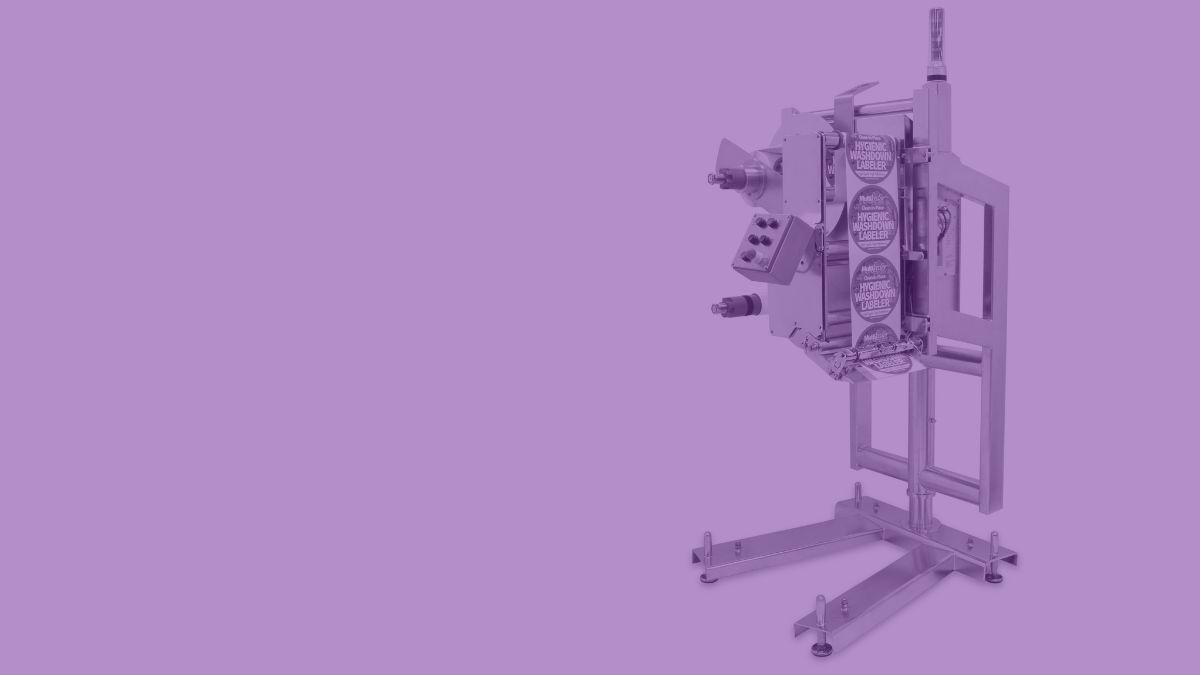
Friction feeders are essential for adding inserts, coupons, cards, labels, or specialty materials into a VFFS workflow. In food, pharmaceutical, and medical environments, hygienic engineering is non-negotiable–and that’s where our Hygienic Washdown Series stands out.

These feeders meet IP67 or higher and NEMA4X standards and are built with:

  • Type 304 stainless steel
  • 1200-watt brushless servo motor
  • An open, self-draining design
  • FDA-compliant materials with no hollow areas

Their clean-in-place (CIP) compatibility minimizes contamination risk while keeping your line fast, compliant, and easy to maintain.

2. Hygienic Labeling Systems

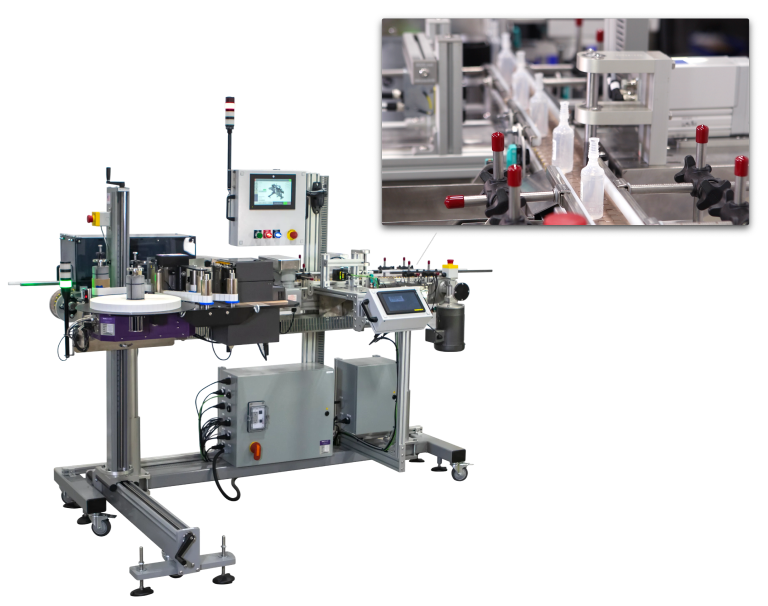
A VFFS line is only as accurate as its labeling and identification. For food, pharma, and medical packaging, hygienic labelers allow you to maintain compliance without downtime.

MFT’s hygienic label machine features:

  • Open, self-draining construction
  • Moisture and corrosion resistance
  • Minimal disassembly for quick sanitation
  • High-precision servo control for consistent placement

These product labeling machines integrate easily into automated packaging equipment to support traceability, coding, and regulatory requirements.

3. Robotic Pick-and-Place and Loading

Robotics are increasingly important in VFFS operations, especially for:

  • Loading trays or containers
  • Transferring flexible or semi-rigid packs
  • Sorting, stacking, or orienting products
  • Supporting sanitary or clean-room workflows

As a Diamond Partner with Mitsubishi Electric Automation, MFT offers robots in ISO3 clean room, IP20, IP65, food-grade, and chemical-resistant versions. Robotic flexibility allows you to boost accuracy, speed, and safety while automating the “fill” and “transition” steps around VFFS equipment.

4. Tray Forming for Container-Based VFFS Applications

While many teams think of VFFS exclusively for bags and pouches, a growing number of operations are integrating tray forming into their packaging lineup. The MFT Tray Former 500 supports this by forming consistent trays at high speed with:

  • Toolless die and ram changeovers
  • Drawer-style access for easy maintenance
  • A compact footprint for tight floors
  • Simple operator controls
  • Servo-driven precision and welded steel stability

As part of a VFFS ecosystem, the tray former delivers reliable container forming for packaging filled trays, cups, portion packs, or semi-rigid formats.

5. Conveying and Material Handling

Reliable product flow is critical for VFFS performance. MFT conveyors, including washdown-ready options, help you move materials safely and consistently through forming, filling, sealing, labeling, and packing stages.

This includes:

  • Hygienic conveyors for food and pharma
  • Product transport between VFFS and downstream modules
  • Support for automated inspection and rejection stations
  • Space-conscious configurations for tight production areas

With sanitary construction and modular flexibility, your conveying system becomes an extension of your quality control strategy.

Why MFT Automation Makes an Ideal Partner for VFFS Lines

Your VFFS machine can only perform as well as the systems that surrounds it. That’s where MFT’s engineering-driven approach adds long-term value. When you collaborate with MFT, you get:

A Production Problem-Solver, Not Just a Component Vendor

We don’t just sell modules and widgets; we help you engineer a complete solution that solves real operational challenges.

Deep Expertise in Food, Medical, and Pharma Packaging

From hygienic design to washdown-friendly materials, our systems meet the standards these industries demand.

Configurable Systems That Scale with You

As you expand your VFFS operations, every MFT system is designed to evolve with your line and adapt to changing requirements.

Reliable Automation Backed by Quality Engineering

Every machine is built for long-term performance, operator-friendly usability, and minimal maintenance.

Stronger, Smarter, More Complete Packaging Lines

VFFS machines are foundational to high-speed packaging, and they’re even more powerful with the right automation partner beside them. Whether you’re improving an existing line or building a new one, MFT Automation supports you with hygienic equipment, robotic integration, tray forming, labeling, feeding, and connected material handling systems.

If you’re looking to elevate efficiency, expand automation, or solve a persistent production challenge, we’re here to help.

Talk with an Automation Specialist

Ready to strengthen your vertical form fill and seal operations?

Our engineering team is here to help you solve your next automation challenge and build a smarter, more scalable packaging line.

Machines for Packaging: The Ultimate Guide for Modern Production Lines

by MFT Automation

In today’s production environment, choosing the right machines for packaging is about more than speed. It’s about building a system that is flexible, reliable, and engineered to grow with your business. At MFT Automation, we specialize in everything from basic building blocks to complete integrated systems to help manufacturers streamline operations with automation that’s efficient, consistent, and tailored to unique needs.

Machines for Packaging: The Base Components

Every modern packaging line starts with its core components. These packaging machines are the building blocks of automation:

  • Friction Feeders: Designed for accurate and repeatable feeding of flat products such as paperboard, leaflets, or pouches.
  • Automatic Label Machines: Ensure products are identified, branded, and trackable with precision placement.
  • Conveyors: Move products seamlessly between processes, keeping lines efficient and minimizing downtime.
  • Tray Formers: Quickly create trays for secure packaging and transport with toolless components and easy operation.
  • Components & Accessories: From vacuum belts to static minimizers, accessories allow manufacturers to fine-tune performance for maximum uptime and throughput.

These individual systems form the foundation, but the real advantage comes when they’re integrated together.

Integrated Systems: Automated Systems for Packaging

The next step in packaging automation is combining multiple machines into a cohesive solution. An automated packaging machine links processes for greater efficiency and reliability. At MFT Automation, we engineers systems that integrate:

  • Processing: Feeding, collating, and preparing products.
  • Printing: Adding codes, expiration dates, and variable data.
  • Labeling: Attaching primary or secondary labels with precision.
  • Verifying: Using inspection technology to ensure accuracy and compliance.
  • Robotics: Incorporating robotic components for end-of-line or extended operations.

This type of automated packaging equipment eliminates bottlenecks, reduces errors, and keeps production moving smoothly from start to finish.

Total System Solutions: Multi-Faceted, Standardized Automation

For high-volume manufacturers, total system solutions take automation even further. MFT’s standardized systems are designed to solve complex challenges while maintaining repeatability and reliability. Popular solutions include:

These total solutions highlight how we combine proven standard systems with custom engineering to fit into your unique workflow and compliance needs.

Human-Centered Engineering for Packaging Operations

Investing in the right machines for packaging goes beyond equipment. Our goal is to solve real production problems, supporting your operators and ultimately your bottom line. MFT Automation brings decades of design and engineering expertise to every project, offering systems that are scalable, efficient, and built for the demands of modern manufacturing.

Whether you need a single packaging machine or a fully integrated system, our people-centered approach means we listen first, then design a solution that helps you achieve ROI, flexibility, and long-term success. Talk to one of our automation experts today about your latest challenge.

Meet the Tray Former 500: Compact, Flexible, and Built for What’s Next

by MFT Automation

This year at PACK EXPO Las Vegas, MFT Automation unveils the next generation of tray forming technology.

The Tray Former 500 is our newest innovation in packaging automation: a compact, operator-friendly system that’s designed to bring your production line speed, flexibility, and efficiency. 

In an industry where change is constant with new products, shifting demand, tighter spaces, this next-generation tray former helps operations keep pace without compromise.

Why a New Tray Former Matters Now

Manufacturers across food, medical, and cannabis industries are facing the same challenges:

  • More product SKUs to run in shorter cycles.
  • Limited floor space for new automation.
  • Growing demand for uptime and quick ROI.
  • Staffing, skill, and operator training hurdles.

Traditional tray forming equipment wasn’t built for this level of agility. That’s where the Tray Former 500 comes in. 

Key Features of the Tray Former 500

Compact Footprint

MFT Automation’s new Tray Former 500 takes up less space on your production floor without sacrificing performance. For facilities where every square foot counts, it’s a system that delivers maximum output in a smaller package.

Toolless Flexibility

Switching between tray sizes or product runs has never been faster. With a toolless, quick-change design, operators have easy access to swap dies and components. This ability to adapt means your line can handle shifting demands with less downtime and more throughput.

Operator-Friendly Interface

Built with intuitive controls, the Tray Former 500 is operator-friendly, engineered for reduced training time and simple day-to-day operation. Operators can get up to speed quickly and focus on production, rather than troubleshooting.

Designed for Uptime

Every detail of the Tray Former 500 is designed to minimize maintenance and maximize reliability. From durable components to easy access for adjustments, it’s built to keep your production lines moving.

Applications Across Industries

The versatility of the Tray Former 500 makes it a strong fit across multiple sectors:

  • Food & Beverage: Feed and form corrugated, cardboard, or other unformed packaging products for prepared foods with precision and speed.
  • Medical & Pharma: Maintain consistency and reliability in regulated environments where accuracy matters most.
  • Cannabis: Adapt to a wide variety of tray sizes and packaging formats in an industry that’s constantly evolving.

Smarter Investment, Faster ROI

Automation isn’t just about keeping up, it’s about moving ahead. With the Tray Former 500, your production line achieves:

  • Decreased downtime through toolless components.
  • Increased efficiency in tight spaces.
  • Reduced training requirements thanks to intuitive controls.
  • A strong return-on-investment with an adaptable system.

In short, it’s a new-and-improved system designed for the long haul and ready to grow with your business.

See It First at PACK EXPO

The Tray Former 500 will make its debut at PACK EXPO Las Vegas. Attendees will be able to see live demonstrations, talk with our automation experts, and experience firsthand how this system is driving tray forming forward.

If you’re heading to the show, make sure to stop by booth W-544 to see us and the Tray Former 500 in action. And don’t forget, you can register for free with our comp code: 85G78.

Visit our website or connect with our team anytime to learn how the Tray Former 500 can enhance your packaging line.

Automation for Traceability: Future-Proofing Food, Pharma, and Cannabis Packaging

by MFT Automation

Traceability is the backbone of product safety, recall readiness, and supply chain visibility. In industries like food, medical, pharmaceuticals, and cannabis, compliance is non-negotiable and consumer trust is hard-earned. As rules and regulations change and evolve, flexible, automated traceability systems are now essential.

At MFT Automation, we engineer labeling and serialization solutions that help your manufacturing operation meet the growing demand for traceability with precision, speed, and confidence.

Why Traceability Matters

Today’s supply chains are under a microscope. From source to shelf, products must be identifiable, verifiable, and traceable through every stage of the packaging and distribution process. Regulatory agencies are tightening standards while consumers expect transparency and accountability.

Whether you’re working in food safety, pharmaceuticals, or medical packaging, traceability supports:

  • Rapid and accurate product recalls
  • Inventory control and expiration management
  • Authentication and anti-counterfeiting measures
  • Regulatory reporting and compliance readiness

Automation ensures these processes aren’t just accurate–they’re scalable.

Traceability Across Industries: Different Needs, Same Mission

While the need for traceability is universal, the requirements vary depending on your industry:

  • Food Industry: Must comply with FDA’s FSMA rules, trace ingredients, and ensure product recall precision.
  • Pharma & Medical Packaging: Requires serialization, tamper-evidence, and compliance with DSCSA and cGMP standards.
  • Cannabis: Demands strict seed-to-sale tracking with RFID and labeling to meet rapidly changing state and national regulations.

In all three sectors, the margin for error is razor-thin and the need for real-time, automated traceability solutions is rising.

Labeling + Serialization: Two Key Systems for Compliance

MFT Automation provides end-to-end labeling and serialization systems to help operations meet evolving standards across industries. These systems allow you to meet strict traceability requirements while optimizing production speed and minimizing risk.

Impresso Labeler Series

Our versatile print and apply label machine series is ideal for RFID and UPC labeling—two cornerstones of trackable packaging. 

Benefits:

  • Reliable application of RFID or barcode labels
  • Seamless integration into packaging lines
  • High-speed throughput with consistent label placement
  • Compliant with evolving pharma packaging and cannabis regulations

Track and Trace System

This fully integrated system combines product feeding, printing, vision inspection, and reject mechanisms into one cohesive solution.

Benefits:

  • Serialization coding for lot, batch, and unit-level tracking
  • Inline vision verification to ensure coding accuracy
  • Reject functionality to remove non-compliant products
  • Ideal for medical packaging, pharmaceuticals, and high-scrutiny food production lines

Compliance Doesn’t Have to Be Complex

The regulatory landscape is only getting more demanding. But with the right automation, staying compliant doesn’t have to slow you down. MFT Automation’s systems are engineered for reliability, customization, and future scalability–whether you’re labeling ice cream pints or unit-dose medical vials.

From RFID-ready print and apply label machines to integrated Track and Trace systems, we can help you build transparency and compliance directly into your production lines.

Looking to Upgrade Traceability?

MFT Automation works with food, pharma, and cannabis manufacturers to implement automation systems that meet today’s traceability standards and adapt to tomorrow’s. If you’ve got a unique challenge or are curious about improving your automated traceability, let’s talk.