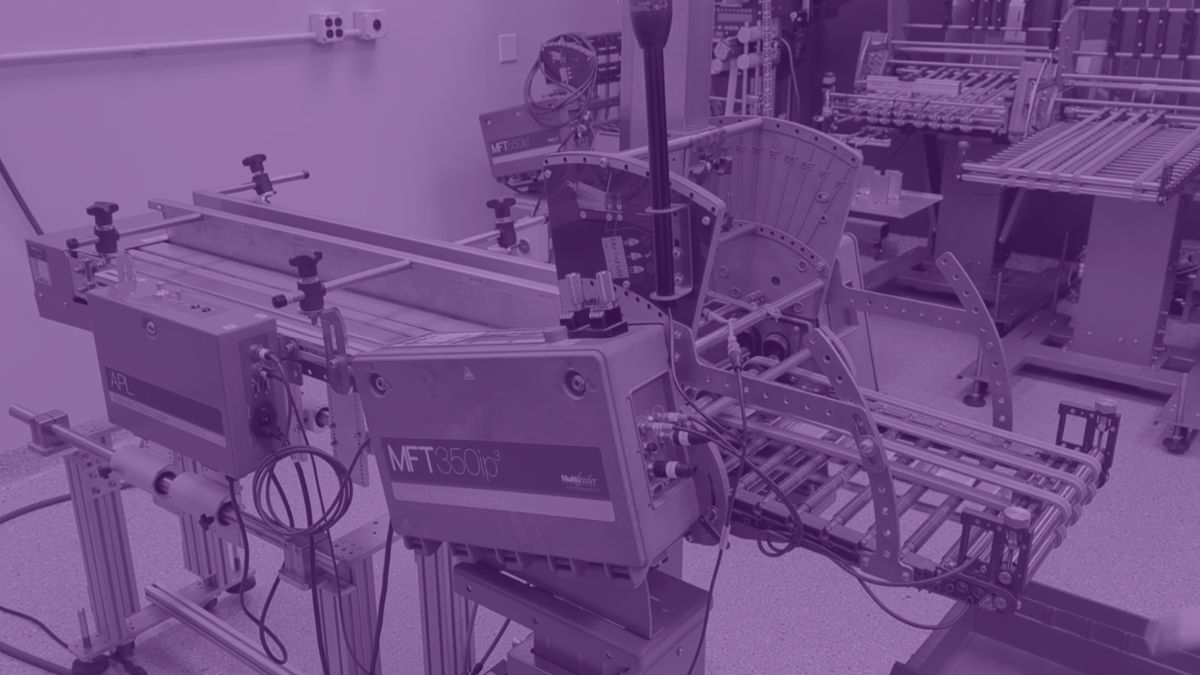
In pharmaceutical and medical packaging, there is no margin for error. A single mislabeled vial, unreadable code, or missing data record can trigger recalls, regulatory action, or lost trust. That is why pharmaceutical packaging automation is no longer about speed alone. It is about precision, traceability, and confidence at every step of the line.
Decision-makers in regulated environments face constant pressure. Regulations evolve. Product mix increases. Batch sizes shrink. At the same time, expectations for uptime and documentation keep rising. The right automation partner helps you meet these demands without adding complexity or risk.
In this article, we’ll explain how modern pharmaceutical and medical packaging automation systems are designed to protect accuracy, maintain compliance, and support long-term operational confidence. You will see how integrated feeders, labelers, vision systems, and Track & Trace technology work together as a single system, rather than as isolated machines.
Unique Requirements of Pharmaceutical and Medical Packaging
Pharmaceutical and medical packaging lines operate under stricter rules than almost any other manufacturing environment. These requirements shape every automation decision.
Regulatory Pressure Is Constant
FDA packaging regulations demand repeatability, documentation, and control. Every label, code, and serialized unit must be verifiable. Automation systems must support:
- Accurate product identification
- Clear and consistent labeling
- Complete data capture and storage
- Fast root-cause analysis when issues occur
Automation that cannot support validation or audit readiness becomes a liability instead of an asset.
Accuracy Matters More Than Speed
Throughput is important, but accuracy always comes first. Pharmaceutical packaging automation systems must prioritize:
- Precise product handling
- Consistent label placement
- Reliable code quality
- Error detection before product leaves the line
Speed without control increases risk. Controlled automation reduces it.
Cleanliness and Contamination Control
Medical and pharmaceutical packaging environments often require cleanroom compatibility or hygienic design principles. Equipment must be easy to clean, resistant to corrosion, and designed to minimize contamination points.
Automation systems built for these environments focus on:
- Smooth, cleanable surfaces
- Minimal crevices and debris traps
- Material choices suited for washdown or sanitation protocols
Common Pharmaceutical and Medical Packaging Applications
Automation must adapt to a wide range of packaging formats. Flexibility is critical.
Vials and Syringes
Small, rigid containers demand careful handling and precise labeling. Automation systems must maintain orientation, prevent damage, and ensure readable codes on limited surface areas.
Blister Packs
Blister packaging requires accurate product verification and reliable labeling or coding on often reflective materials. Vision and verification systems play a key role here.
Pill Bottles
High-volume bottle lines benefit from integrated feeder systems, automatic labeler technology, and in-line verification to maintain speed without sacrificing accuracy.
Pouches and Sachets
Flexible packaging introduces challenges in handling and label placement. Integrated print and apply labeling systems help ensure consistent identification on variable surfaces.
Extended Content Labels (ECLs)
ECLs are common in pharmaceutical packaging due to regulatory requirements. Automation must support accurate application, proper folding, and verification to ensure legibility and attachment integrity.
The Role of Integrated Automation Systems
In regulated environments, standalone machines create gaps. Integrated systems close them.
Feeders: Controlled Product Flow
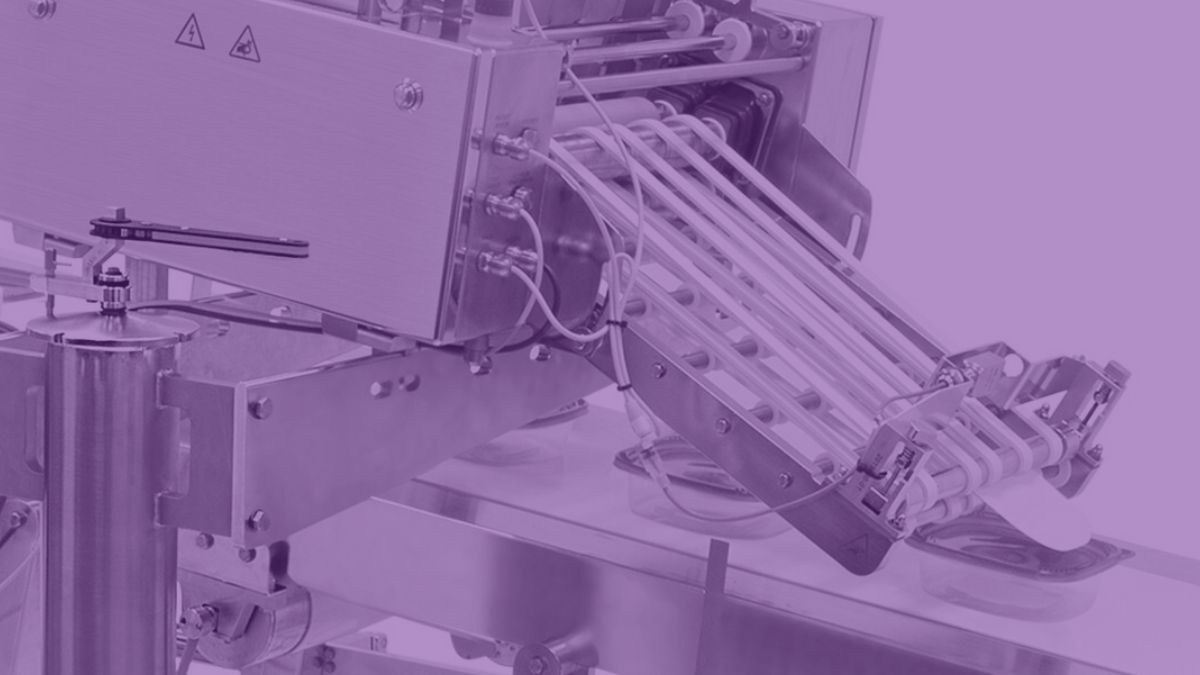
A friction feeder or feeder system ensures consistent product spacing and orientation. This consistency is essential for downstream accuracy.
When feeders are designed as part of a complete system, they:
- Reduce misfeeds and jams
- Improve label placement accuracy
- Protect fragile products
- Maintain predictable line flow
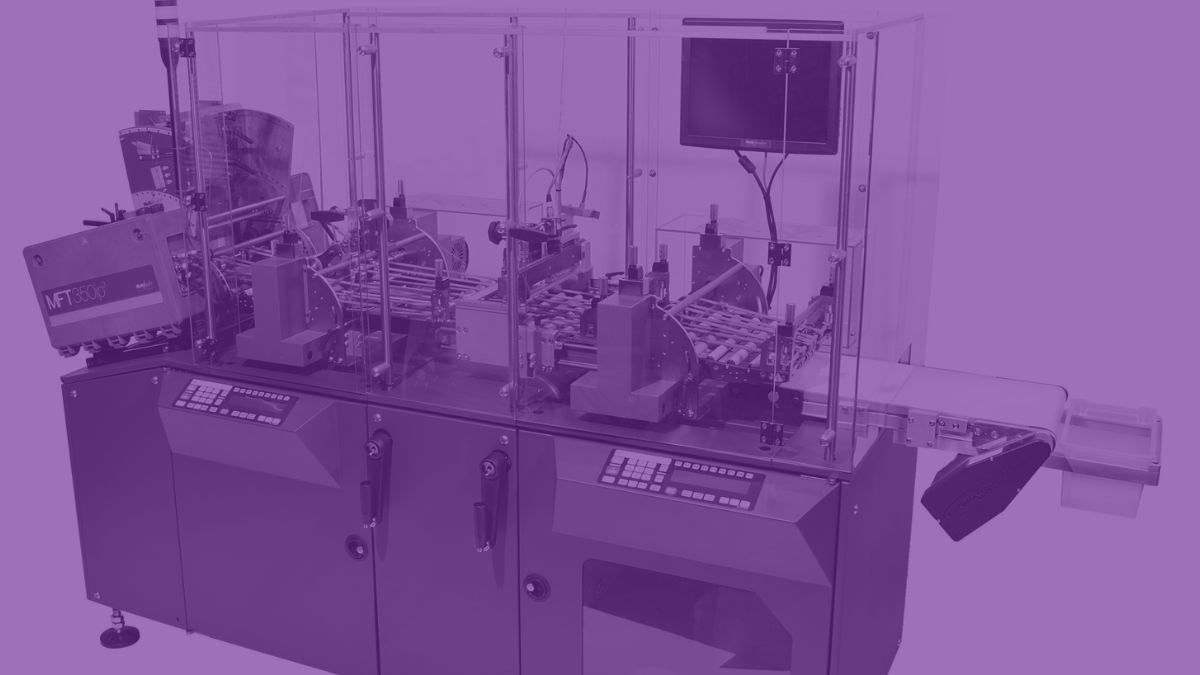
Automatic Labeler Systems
An automatic labeler must do more than apply labels. In pharmaceutical and medical applications, it must do so with precision and repeatability.
Modern labeling automation supports:
- Tight placement tolerances
- Multiple label formats
- High-speed changeovers
- Seamless integration with verification systems
Print and Apply Labeling Systems
Print and apply labeling systems play a critical role in serialization and traceability. These systems allow variable data, barcodes, and human-readable information to be printed and applied in real time.
Key benefits include:
- Reduced labeling errors
- Real-time data integration
- Support for unique identifiers
- Flexibility for short runs and frequent changes
Vision and Verification Systems
Vision systems act as a final gatekeeper. They confirm that the right label is on the right product, with the right data.
Verification systems can:
- Confirm barcode readability
- Validate serialized data
- Detect missing or misapplied labels
- Trigger automatic rejection when errors occur
Serialization, Verification, and Risk Mitigation
Serialization is not optional in pharmaceutical packaging automation. It is a core requirement.
Why Serialization Matters
Serialization assigns a unique identifier to each product unit. This supports:
- Anti-counterfeiting efforts
- Product traceability
- Recall management
- Regulatory compliance
Without reliable serialization, tracking product movement becomes difficult and risky.
Redundancy as a Safety Net
Redundancy reduces the impact of failures. In regulated environments, redundancy is a design choice that protects uptime and compliance.
Examples include:
- Multiple verification points
- Backup data capture systems
- Automated reject mechanisms
- System alerts and logging
These features ensure that a single failure does not compromise the entire line.
Track & Trace Integration
Track & Trace systems connect physical packaging actions with digital records. Integrated automation systems allow serialization data to flow seamlessly from printer to verifier to database.
This integration supports:
- Faster audits
- Accurate reporting
- Easier investigations
- Long-term data integrity
Designing for Clean Environments and Validation Readiness
Pharmaceutical and medical packaging automation must be built with validation in mind from day one.
Validation-Friendly Design
Validation-ready systems simplify internal, operational, and performance qualification processes. Clear documentation, standardized components, and predictable system behavior reduce validation time.
Well-designed systems:
- Use proven, repeatable configurations
- Provide clear documentation and change records
- Support controlled updates and upgrades
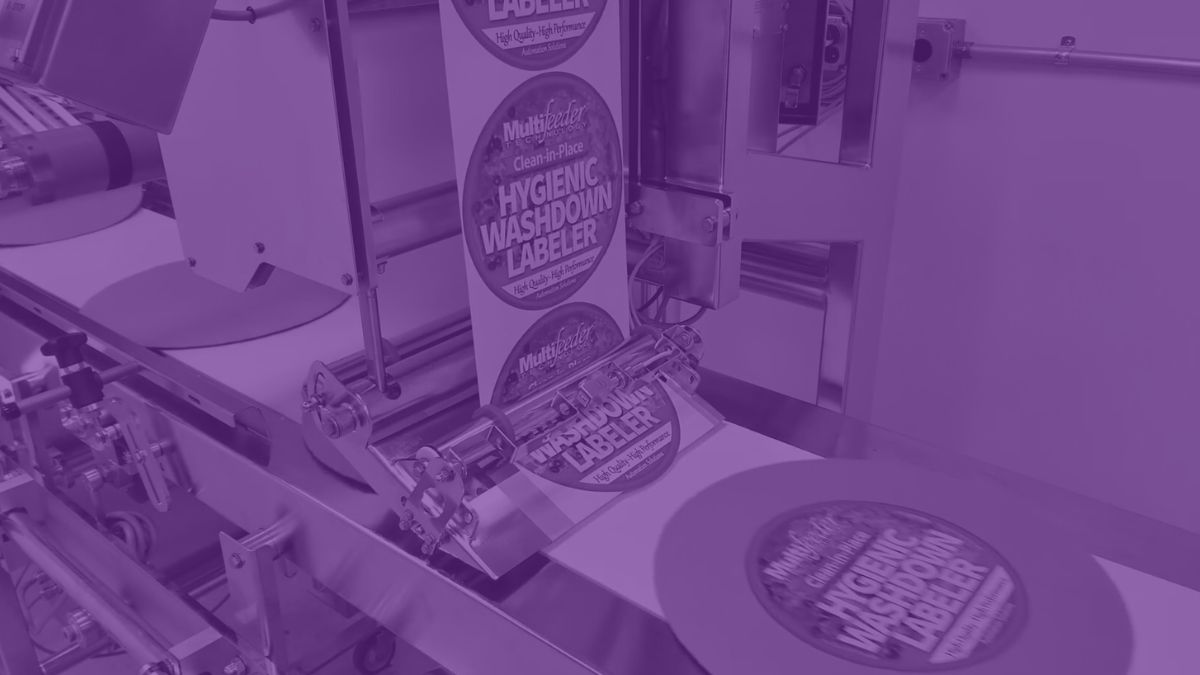
Hygienic and Washdown Design
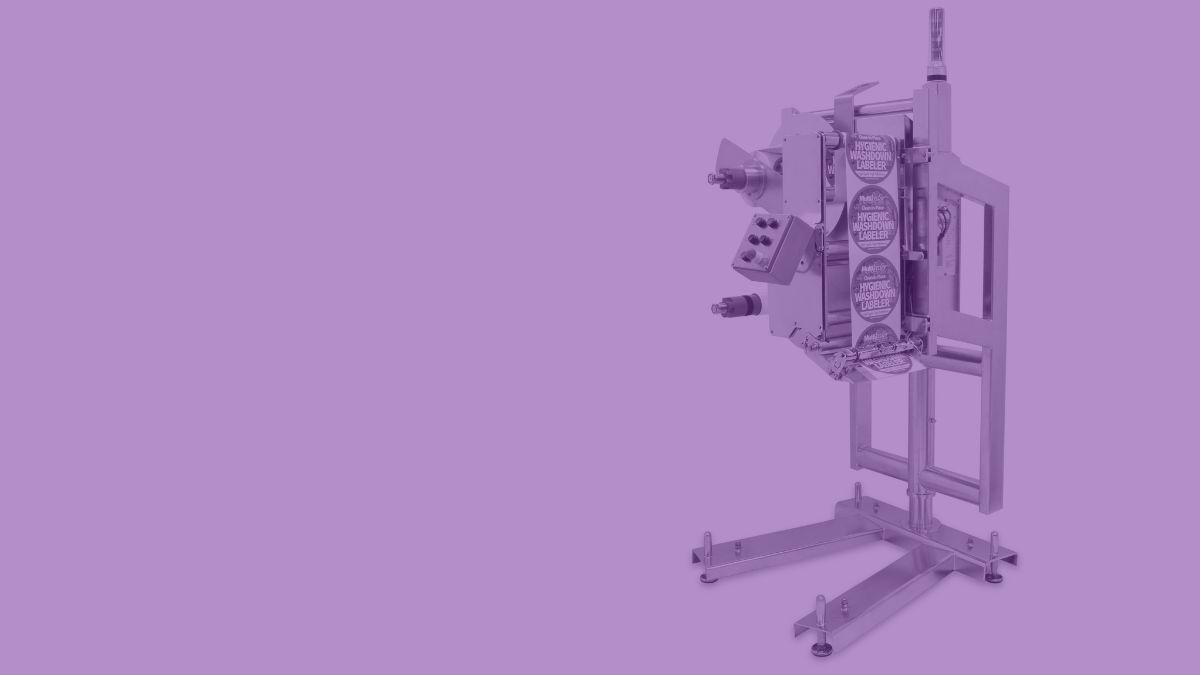
For applications requiring sanitation, equipment design matters. Washdown conveyors, hygienic equipment, and corrosion-resistant materials help maintain cleanliness without excessive downtime.
Design considerations include:
- Open-frame construction
- Stainless steel components
- Sealed electronics where required
- Easy access for cleaning
ROI Value: Why Systems Matter
Automation decisions are business decisions. Integrated pharmaceutical packaging automation systems deliver measurable value.
Reduced Recall Risk
Accurate labeling, verification, and serialization reduce the likelihood of costly recalls. When issues do arise, Track & Trace systems help identify affected units quickly.
Compliance Confidence
Systems designed for FDA packaging regulations support audit readiness and regulatory confidence. Documentation and data integrity become built-in features, not afterthoughts.
Improved Uptime
Integrated systems reduce stoppages caused by misfeeds, mislabels, or data errors. Fewer interruptions mean more predictable production schedules.
Scalability for Future Needs
Modular automation systems allow lines to evolve. New products, new regulations, and new data requirements can be addressed without full system replacement.
Why Partnership Matters in Regulated Automation
In pharmaceutical and medical environments, automation is not a one-time purchase. It is a long-term relationship.
A trusted partner:
- Educates and advises through expertise and collaboration
- Supports system integration and optimization
- Helps adapt systems to new regulations
- Provides parts and service over time
- Stays engaged beyond installation
This partnership approach protects your investment and your compliance posture.
Key Takeaways
- Pharmaceutical packaging automation prioritizes accuracy, traceability, and control.
- Integrated systems reduce risk compared to standalone machines.
- Feeders, automatic labeler systems, vision, and Track & Trace work best as one cohesive system.
- Serialization and redundancy protect compliance and uptime.
- Validation-ready, hygienic design supports regulated environments.
Ready to explore compliance-ready automation?
Pharmaceutical packaging automation is about trust. Trust in your data. Trust in your labels. Trust in your systems under pressure.
By designing integrated, modular systems that prioritize precision and traceability, manufacturers reduce risk and gain long-term confidence. Automation built for regulated environments supports compliance today and adapts to the challenges of tomorrow.
If you are evaluating automation for pharmaceutical or medical packaging, focus on systems, not just machines. Work with a partner who understands regulated environments and stays engaged long after installation.
Book a conversation with our engineering team to see how integrated systems can support your line.